Generator Maintenance and Parts Matching: Start with the Equipment Identity
Use the correct manuals, maintenance records and serial-number references to plan service and identify suitable genuine parts.
Identify the complete installation
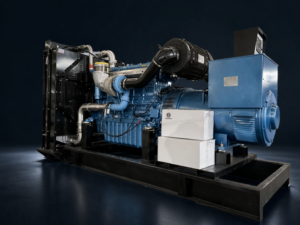
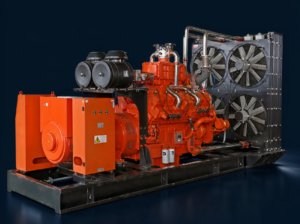
Create an equipment record before ordering parts or writing a service plan. A generator set includes an engine, alternator, controls and other installed systems, and their identification details may differ. Capture the generator model and serial number, engine identification, relevant configuration and clear photographs of the data plates.
Keep this information with the operating documents rather than relying on a sales description alone. If equipment has been replaced or modified, record that change. The purpose is to connect the physical installation to the documents and parts information used by the people maintaining it.
Build the schedule from the correct manuals
Use the operation and maintenance manual applicable to the engine and the generator set. Perkins explains that its engine manuals include fluid recommendations, refill capacities, maintenance intervals and procedures, and that the engine-family code helps locate the appropriate manual. Other installed components may have their own service requirements.
Read the actual schedule to determine whether each item is governed by operating hours, calendar time or another condition. Where the manual states alternative limits, apply them as directed. Environment and operating use also affect maintenance planning. Do not assign one universal oil-change or inspection interval to every diesel or gas generator.
Make inspection records useful
A practical record should show the date, operating hours, observed condition, work completed and the person responsible. Include recorded alarms and unresolved findings, with a clear next action. A list of ticked boxes has limited value if it does not reveal what changed or whether an issue was closed.
Use the applicable checklist to define inspection scope. Ask the service team to explain recurring findings and distinguish routine service from a fault investigation. A standby installation's low running hours do not by themselves prove readiness; the agreed maintenance and functional-verification plan still needs to be followed.
Match genuine parts by documented application
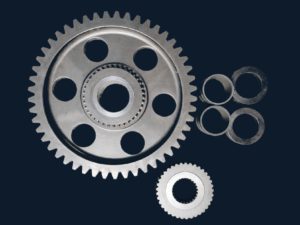
An engine name or displacement is often insufficient to identify the correct replacement. Perkins uses the engine serial number to identify configuration and the parts used on that engine. Ask the supplier to match the required item against the applicable parts information and confirm the exact part number before purchase.
For a proposed genuine part, request a clear brand description, traceable supply documentation and confirmation of the supported application. Where a number has changed, request the documented replacement reference. Similar dimensions or appearance do not establish compatibility. Genuine status and correct fitment are separate questions that both need an answer.
Prepare the service enquiry
Describe the maintenance task or symptom, attach identification photographs and provide the relevant service history. Include existing part numbers when available, while asking the supplier to verify them. This gives the service team a factual basis for identifying the required material and any additional diagnosis.
After service, retain the installed part references, fluid specification and quantities, recorded findings and next due items. This history makes the next enquiry more precise and helps a new technician understand the installation. Any claim about a seller's manufacturer authorisation should be supported by separate verifiable evidence.
- Provide generator and engine identification plus current operating hours.
- Confirm the applicable manual and parts-book references.
- Record supplied parts, completed work and unresolved actions.
Once you have the engine serial number and part reference, use the engine and generator parts catalog to look up the replacement by category or part number.
This guide provides general planning information, not installation instructions or an approved system design. Use the offered model’s current documentation and qualified project professionals; applicable local requirements must be confirmed.
Manufacturer References
Send Inquiry
Contact us through the existing enquiry page or email manager@zhiyutone.com. No enquiry is submitted automatically.
Contact Zhiyutone →manager@zhiyutone.com