ATS Transfer and Load Sequencing: How Backup Power Reaches the Loads
Understand the roles of source monitoring, transfer timing and load priorities before specifying an automatic transfer switch.

Separate source selection from power production
An automatic transfer switch (ATS) selects the source supplying a group of loads. In a utility-to-generator installation, the generator produces backup power while the transfer system decides when to connect those loads to it. Selecting a generator alone therefore does not define the complete backup system.
Start a specification with the intended sources and the loads served by each switch. Record which services must return first and which can wait. This gives the designer a functional description to translate into equipment and controls, and gives the owner a clear basis for checking the proposed operating sequence.
Understand the normal transfer sequence
A typical automatic system detects unacceptable normal-source conditions, applies its configured start delay and requests generator starting. It transfers after the generator source reaches the required acceptable conditions and the applicable transfer delay expires. When normal power returns, a retransfer delay allows that source to stabilise before the loads return.
The generator may then run without load for its configured cooldown period before stopping. These are separate timing functions with different purposes. Their values depend on the selected controls, generator and project requirements; a generic promise of instantaneous backup does not describe this sequence.
Choose a suitable transition approach
Open transition disconnects one source before connecting the other, creating an interruption during transfer. Delayed open transition adds a neutral interval that can help address residual voltage in certain loads. Closed transition briefly overlaps acceptable, synchronised sources and involves a utility-parallel condition that requires appropriate project review.
Closed transition cannot remove the interval caused by an unexpected outage while a stopped generator starts. Loads that cannot tolerate that interval need the designer to assess a continuity solution, such as a suitably specified UPS, as part of the overall system. Define each load's actual interruption tolerance before choosing a transition type.
Coordinate load addition and load shedding
Load sequencing introduces groups in a planned order rather than applying every load at once. Where supported, controls can also remove lower-priority loads when the generator is overloaded and restore them under defined conditions. Available sensing and control features vary between products.
Use a scenario table to describe what happens during initial transfer, a later motor start and loss of optional load capacity. The engineering review should check both the generator's ability to accept each step and the service priority. Merely delaying a load does not establish that sufficient capacity exists when it is eventually added.
Specify an outcome that can be verified
Request a documented sequence and an agreed commissioning plan. Verification should show which source is available, which source supplies each load group and whether the sequence meets the project's service requirements. Relevant event records help explain unexpected behaviour after testing or an outage.
Have the qualified project team select and coordinate the switch's electrical ratings, protection and installation details. Review subsequent load additions against the original sequence. Equipment that has been added to the building is not automatically included in the backup design.
- List source conditions, load priorities and permitted interruptions.
- Identify supported sequencing, shedding and restoration functions.
- Record the approved settings, responsibilities and acceptance criteria.
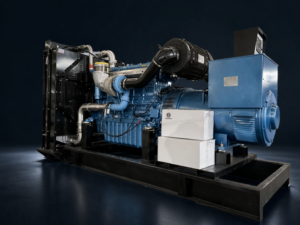
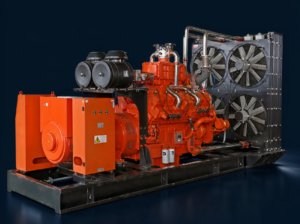
If the standby source is a diesel generator, compare the diesel generator set range against the load steps and operating duty in your transfer plan.
This guide provides general planning information, not installation instructions or an approved system design. Use the offered model’s current documentation and qualified project professionals; applicable local requirements must be confirmed.
Manufacturer References
Send Inquiry
Contact us through the existing enquiry page or email manager@zhiyutone.com. No enquiry is submitted automatically.
Contact Zhiyutone →manager@zhiyutone.com