
Power planned around your hospital.
Zhiyutone helps match generation, distribution and supporting equipment to the project brief. Final performance and compliance are established through the agreed engineering design and equipment schedule.
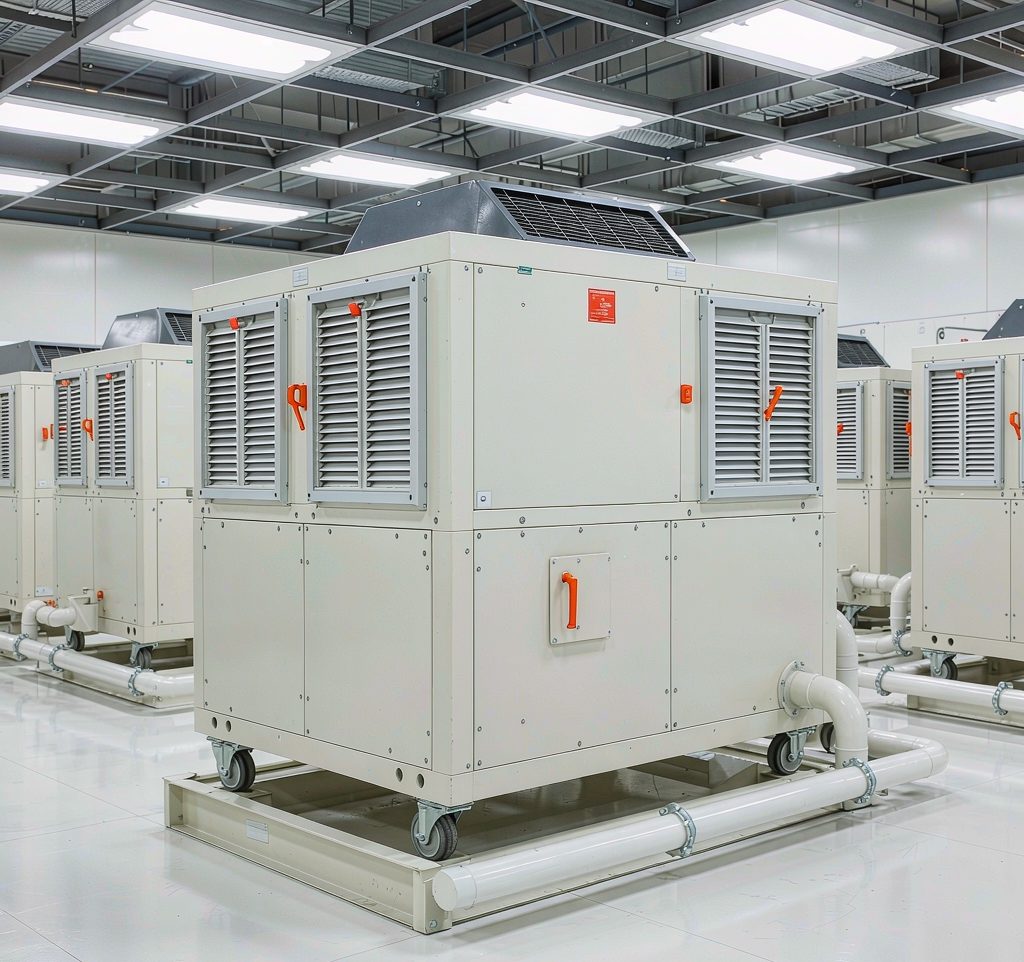
What the power system needs to address
Clinical load priorities
Separate essential clinical equipment, life-safety services, laboratories, cooling and general building loads.
Transfer and bridging
Agree restoration times with the project engineer and coordinate generator start sequences with UPS-backed circuits.
Redundancy and service access
Review alternative supply paths, maintenance isolation and fuel arrangements without promising a universal uptime figure.
Quiet, controlled operation
Assess acoustic requirements, exhaust discharge, ventilation and testing times around sensitive occupied areas.
From equipment to coordinated operation
- Diesel generator sets and appropriate redundancy selected from the essential load study.
- Automatic transfer controls coordinated with UPS and emergency distribution boards.
- Distribution transformers and busway specified for the building’s power architecture.
- Documented testing, alarms and planned preventive maintenance procedures.
Project information to prepare
Essential load schedule; local healthcare electrical requirements; transfer times; UPS autonomy; noise limits; fuel storage policy.
Recommended product families

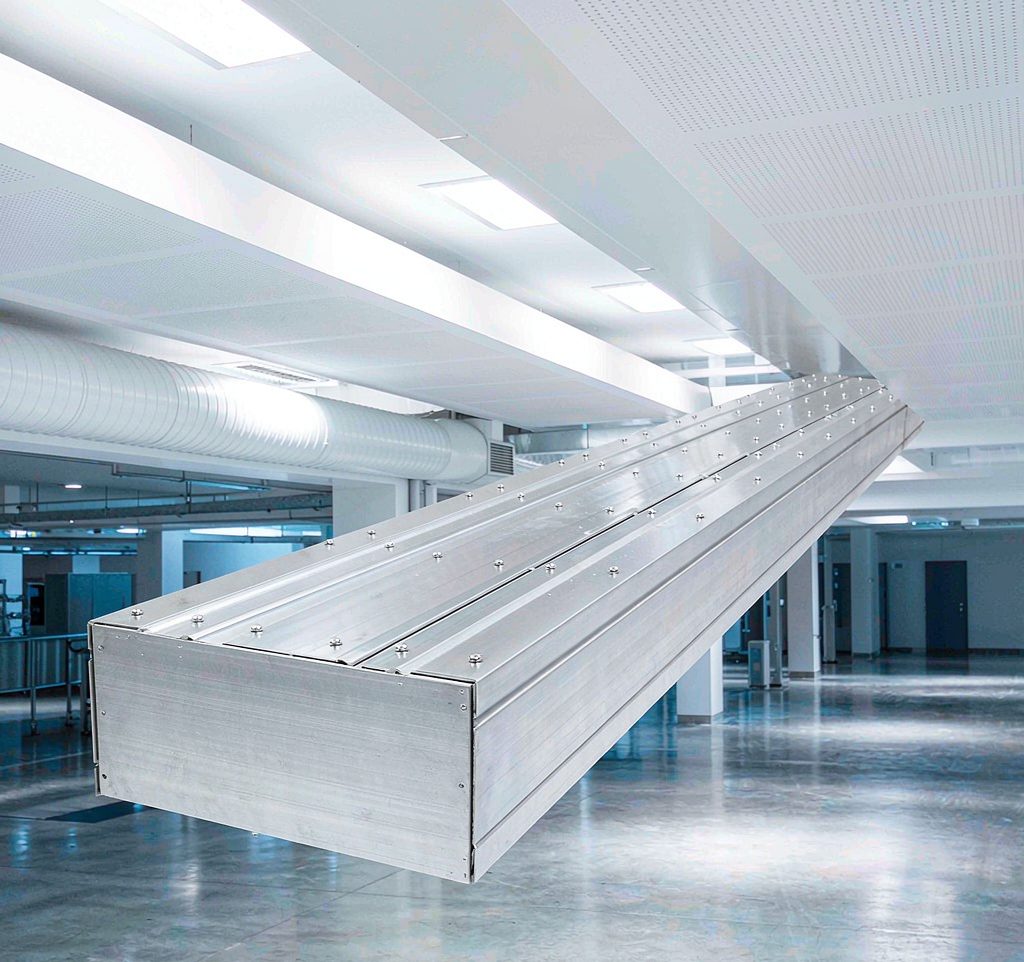
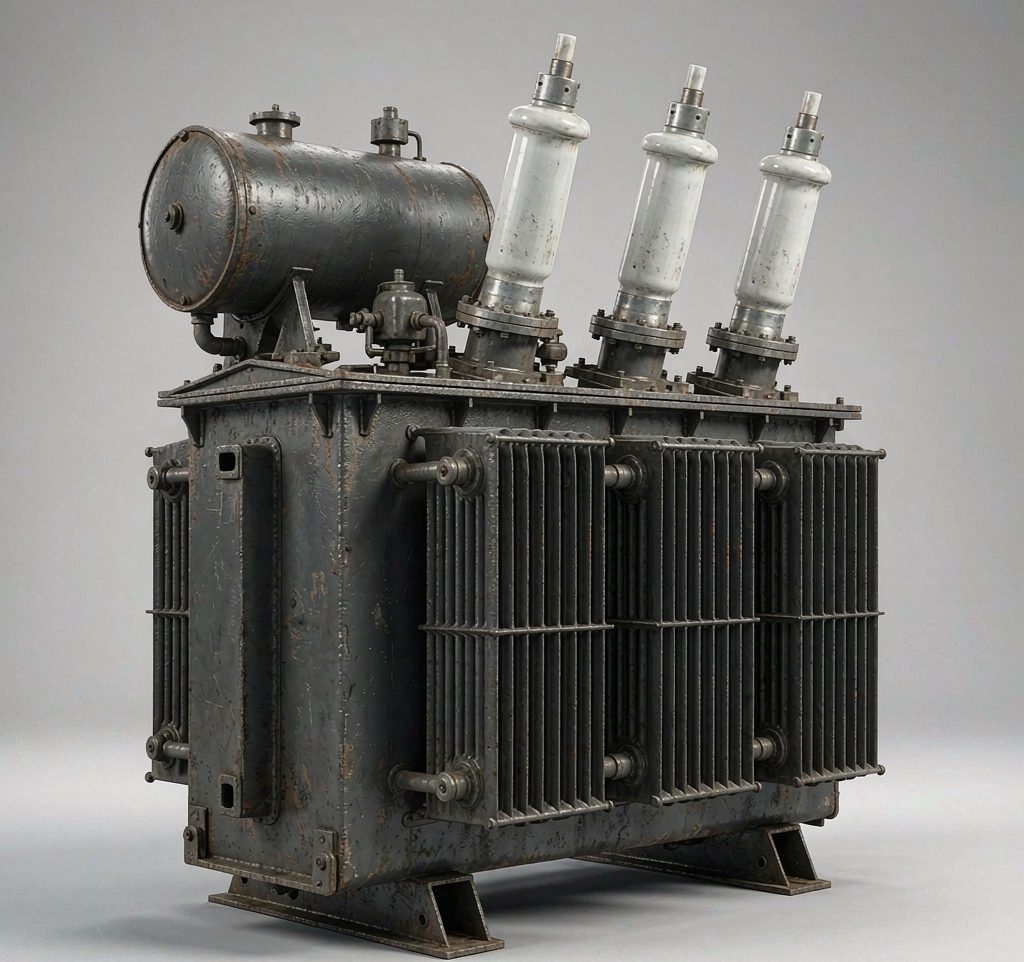
Questions before selection
Can the equipment be configured for our site?
Voltage, frequency, enclosure, controls and supporting equipment are reviewed against the project brief. Availability and the final bill of materials are confirmed in the quotation.
How is generator capacity selected?
The selection considers running load, starting loads, operating duty, redundancy and site derating. A nameplate total alone is not a complete sizing study.
What documentation should be agreed?
Confirm the technical schedule, drawings, test scope, operating manuals, destination compliance requirements and service responsibilities before placing an order.
Plan your hospital power system.
Essential load schedule; local healthcare electrical requirements; transfer times; UPS autonomy; noise limits; fuel storage policy.