Genset, Solar and Battery: What a Hybrid Power Project Needs
Understand the roles of generation, storage, power conversion and controls, then assemble the information needed to evaluate a hybrid system proposal.

Think in terms of a coordinated system
A hybrid power system can combine a generator set, solar photovoltaic generation and battery storage to serve a defined group of loads. These resources have different roles: solar generation follows available sunlight, a battery stores and releases energy, and a generator provides controllable generation within its operating limits.
The architecture also needs power conversion, distribution, protection and controls. Inverters connect compatible solar or battery equipment to an AC system; the controller coordinates the resources. Buying three independently rated products does not establish that they can operate together as a complete system.
Define the operating modes
Start by stating whether the site is off-grid, grid-connected or expected to operate in both conditions. Describe what the project must achieve: supplying remote operations, supporting essential loads during an outage, limiting grid demand or shifting renewable energy to another time.
Ask the proposed integrator to explain normal operation, loss of a resource, recovery and maintenance conditions. Establish the acceptable interruption for each essential load. Treat transition performance as a requirement to be designed and demonstrated, rather than assuming that adding a battery automatically provides uninterrupted power.
Prepare the project information
A useful enquiry describes when energy is needed as well as the highest power demand. Where measurements are incomplete, label estimated values and explain how they will be verified.
- Provide interval load data, seasonal changes, essential loads and the largest load steps.
- State required autonomy, expected outage duration and priorities if available power is limited.
- Describe the site, available solar area, shading and relevant weather information.
- Provide existing equipment data, fuel availability, operating restrictions and grid connection conditions.
- Define space, transport access, environmental conditions and future expansion expectations.
Make interfaces and control responsibilities clear
Request a system single-line diagram, equipment interface schedule and written operating philosophy. Ask which resource establishes voltage and frequency in each mode, how charge and discharge limits are managed, and what happens when communication or an asset becomes unavailable.
Manufacturer control offerings include coordinated generator operation, battery charge and discharge control and system monitoring, but the supplied functions depend on the configuration. Ask for a project-specific test plan covering the agreed operating modes and representative load changes. Define who supplies the integration work, who commissions the system and who investigates an alarm across equipment boundaries.
Evaluate outcomes from stated assumptions
Compare proposals using the same load data, fuel assumptions, solar assumptions and service scope. Request separate equipment power and usable battery-energy figures, with the conditions that limit them. Include maintenance, replacement assumptions and monitoring arrangements in the commercial review.
Fuel savings, generator runtime and financial payback depend on the site and control strategy. Ask for a transparent project model and sensitivity cases rather than adopting a generic percentage. A strong proposal makes the baseline, assumptions, exclusions and acceptance criteria visible, so the expected results can later be compared with measured operation.
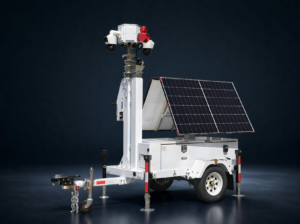
If the project also calls for a mobile or site-specific equipment package, review the customized power equipment range while preparing the equipment list.
This guide provides general planning information, not installation instructions or an approved system design. Use the offered model’s current documentation and qualified project professionals; applicable local requirements must be confirmed.
Manufacturer References
Send Inquiry
Contact us through the existing enquiry page or email manager@zhiyutone.com. No enquiry is submitted automatically.
Contact Zhiyutone →manager@zhiyutone.com