
Hospital Emergency Power
An illustrative approach to coordinating standby generation, transfer equipment and essential healthcare loads.
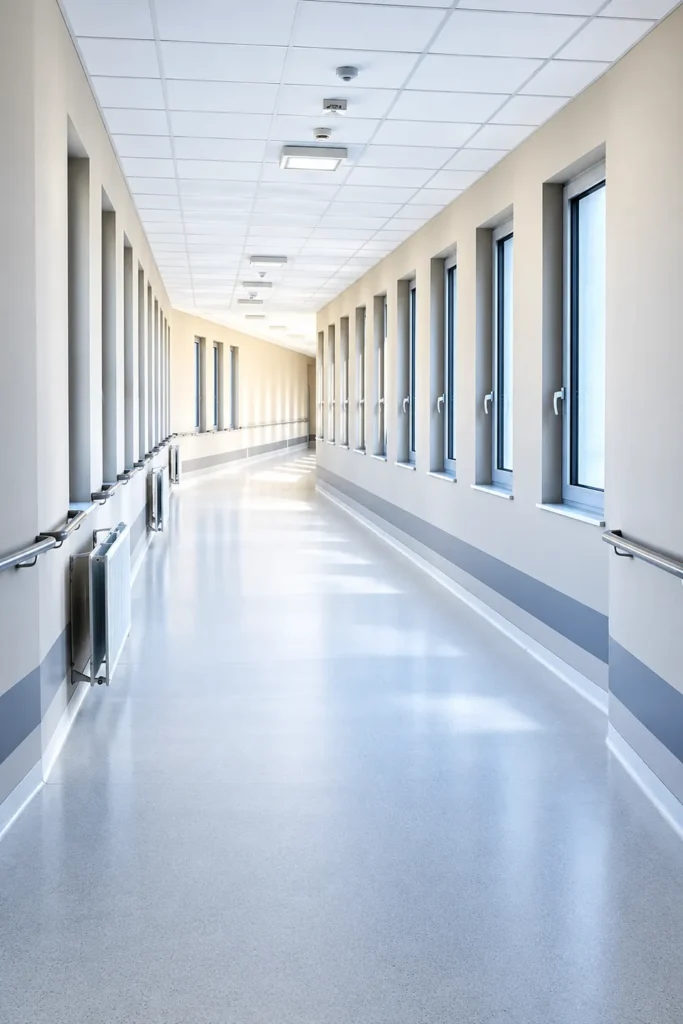
Application overview
A hospital power discussion begins with the facility’s essential circuits and the continuity requirements of each load. This example outlines topics for coordinating a standby generator with transfer equipment and, where specified by the facility design, UPS equipment. It does not describe a completed Zhiyutone project or a certified medical power installation.
Requirements to review
- Identify the essential loads and their continuity requirements.
- Review the proposed generator location, operating environment and noise constraints.
- Confirm the facility’s applicable electrical and healthcare requirements with its qualified design team.
Potential configuration elements
Standby generation
Discuss a diesel generator configuration using the verified essential-load schedule.
Transfer coordination
Review the interface between utility power, transfer equipment and the facility’s emergency distribution.
Continuity interfaces
Coordinate any UPS and other continuity equipment specified by the facility designer.
Site integration
Confirm ventilation, exhaust, fuel arrangements and access through an approved project design.
Information for a project discussion
- Essential-load list and existing electrical drawings
- Required voltage, frequency and operating duty
- Site dimensions, location and environmental constraints
- Applicable local requirements and the facility’s acceptance criteria
Related equipment reference
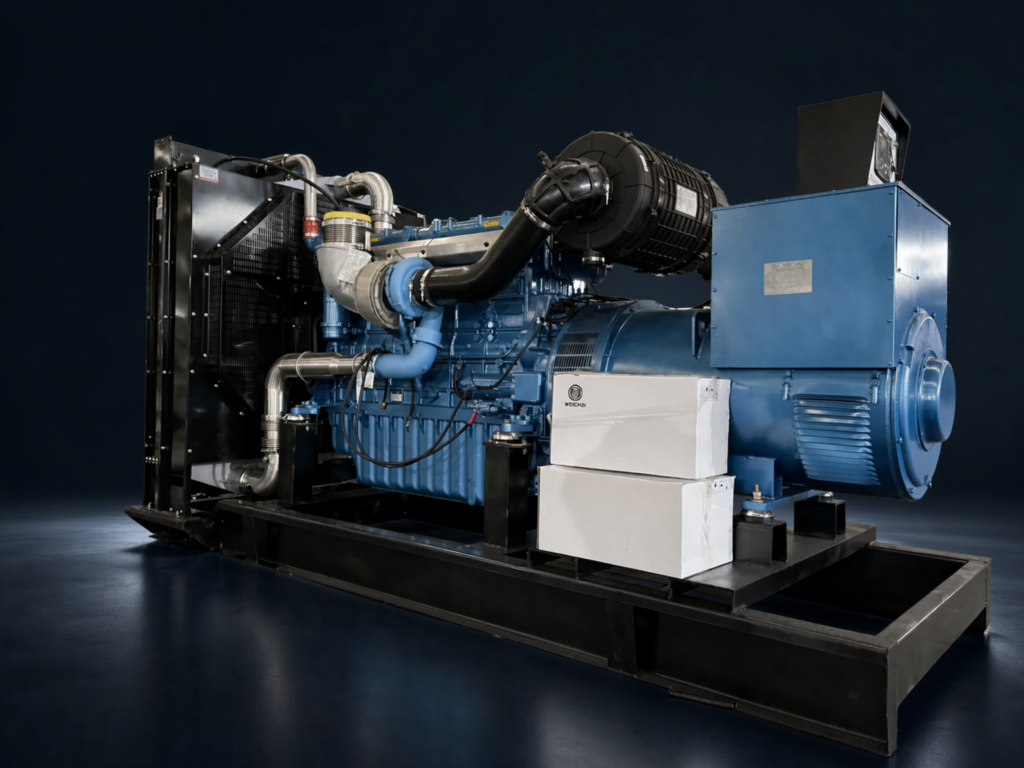
Diesel Generator Sets
Product appearance and configuration may vary. Confirm the equipment and scope required for your project.
Explore product category →Discuss your project requirements
Share your load information, operating conditions and project scope so the appropriate equipment can be reviewed.