
Power planned around your outdoor engineering.
Zhiyutone helps match generation, distribution and supporting equipment to the project brief. Final performance and compliance are established through the agreed engineering design and equipment schedule.
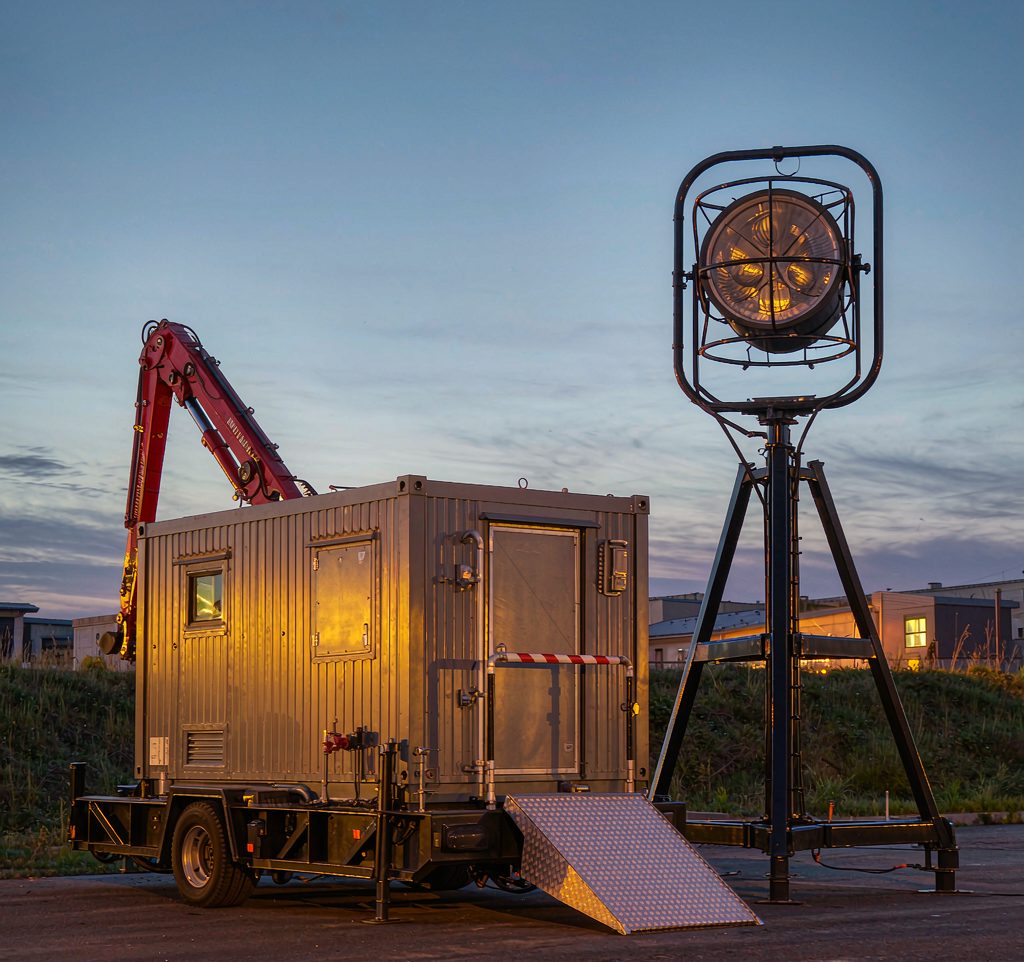
What the power system needs to address
Weather and exposure
Specify temperature, rainfall, dust, salinity and enclosure protection needs for the operating environment.
Fast site setup
Coordinate connection points, earthing, cable routing and safe installation procedures before mobilisation.
Mobility and autonomy
Balance fuel or energy capacity, towing arrangements, lifting equipment and transport limits.
After-dark operations
Match lighting equipment to work-zone size, required illumination, mast height and deployment conditions.
From equipment to coordinated operation
- Mobile or enclosed diesel generator configurations for tools, machinery and site cabins.
- Lighting towers and energy storage equipment for project-specific temporary installations.
- Distribution equipment and protective devices matched to the temporary supply design.
- Service parts and maintenance arrangements planned for remote working locations.
Project information to prepare
Site location and climate; connected tools and machinery; night-working area; mobility needs; fuel access; transport constraints.
Recommended product families


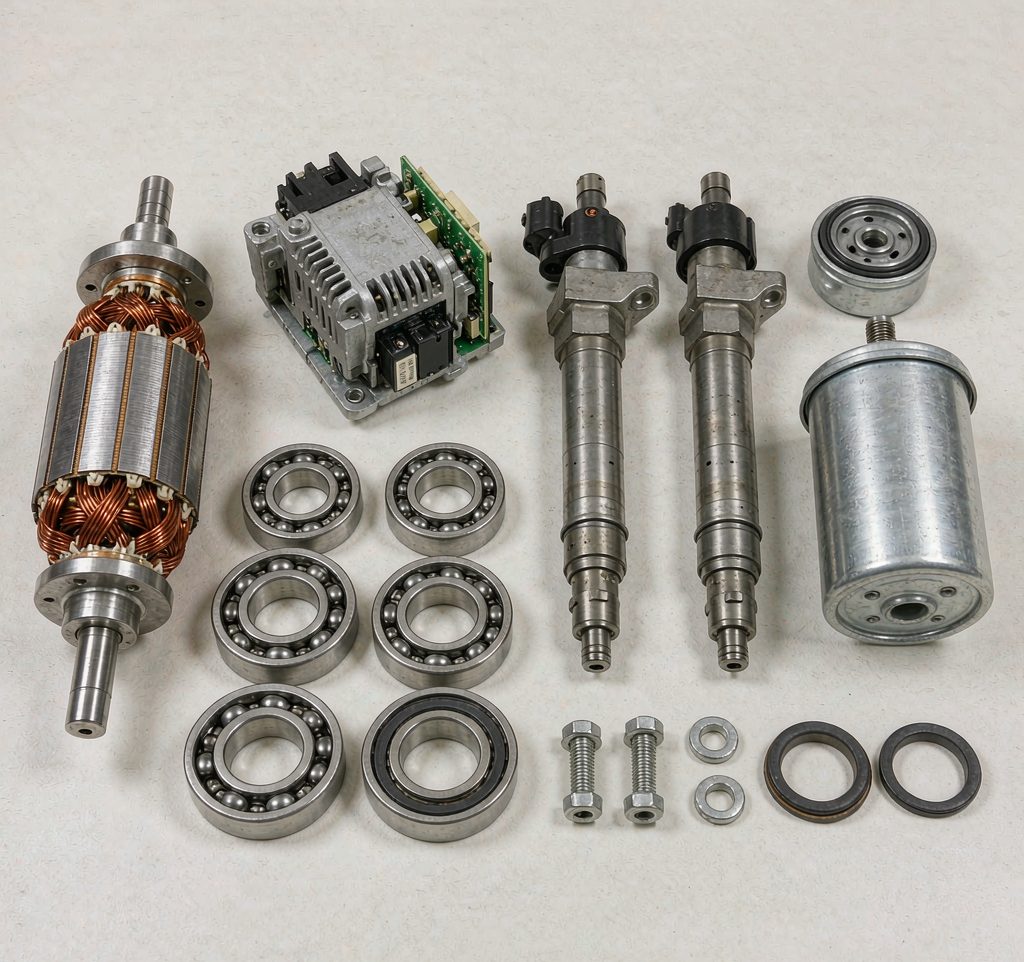
Questions before selection
Can the equipment be configured for our site?
Voltage, frequency, enclosure, controls and supporting equipment are reviewed against the project brief. Availability and the final bill of materials are confirmed in the quotation.
How is generator capacity selected?
The selection considers running load, starting loads, operating duty, redundancy and site derating. A nameplate total alone is not a complete sizing study.
What documentation should be agreed?
Confirm the technical schedule, drawings, test scope, operating manuals, destination compliance requirements and service responsibilities before placing an order.
Plan your outdoor engineering power system.
Site location and climate; connected tools and machinery; night-working area; mobility needs; fuel access; transport constraints.